- Circular initiatives in companies often fail due to internal barriers
- Committed employees are key drivers of the transformation into a circular economy
- Companies need targeted strategies to support these individuals
- Circular economy must become a clear career factor
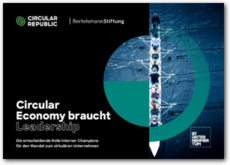
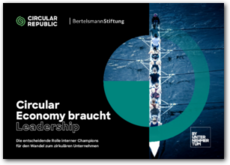
The qualitative study is based on interviews with more than 50 decision-makers from industry, business associations and public organizations. They identify the main challenges in implementing circular business models as a lack of skills, siloed structure, insufficient cooperation that prevents the sharing of success stories and a lack of strategic anchoring. Often, circular economy projects are treated as benevolent initiatives rather than business-promoting measures, according to the study. Without clear career prospects and targeted skills development, employee engagement remains limited. Existing support offerings, particularly online formats, fall short.
Factors for driving the transition to a circular economy
As a key factor for a rapid and business-enhancing transformation to a circular economy, the study (which also analysed 92 circular economy learning offerings) identifies committed talents and emerging leaders. These individuals can become promoters of the circular economy within their company and beyond: they translate circular economy concepts into practical strategies and profitable solutions, connect employees and work to anchor circular economy strategically. Companies can actively support these committed employees by:
- Identification: Identify promoters within the company and provide them with the strategic influence. Support from senior management is crucial.
- Career incentives and skills development: create strong career prospects, establish close communication with executive leadership and develop the individuals’ persuasion and leadership skills so they can navigate internal and external resistance.
- Networks: internal and cross-company networking promotes the exchange of success stories and the development of industry standards
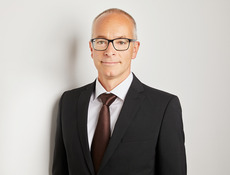
“To truly advance the circular economy, it must finally be recognized as an attractive career path and receive full support from leadership. For this, we need tailored skills development programs,” says Dr. Susanne Kadner, co-founder and director of CIRCULAR REPUBLIC. “Companies and professionals alike benefit from embedding the circular economy.”
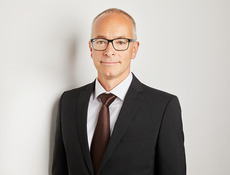
“Circular economy should be a top priority, especially in industry. Germany can still achieve technological leadership, but companies must act. Well-positioned businesses are now investing in the talents who can make circular value creation models profitable for them,” says Armando García Schmidt, economic expert at the Bertelsmann Stiftung.
Based on study results, a new program is currently in development. The Bertelsmann Stiftung and CIRCULAR REPUBLIC aim to specifically empower top talents in the field of circular economy.