August 2024
Dear Readers,
In this edition, we delve into a range of pressing global issues that are shaping the political and economic landscape across Europe and beyond.
As tensions in the Middle East rise by the hour, we look at the crucial relationship between the USA and Israel in the lead-up to the US Presidential election. What began as a cautious approach by President Biden has transformed into active involvement in escalating regional conflicts, particularly in light of the ongoing war in Gaza. We examine how these developments could influence US foreign policy going forward and consequently the situation in the Middle East.
US-led security efforts have experienced a renaissance in 2024, as reflected in the NATO summit this summer in Washington. It was a momentous occasion, celebrating Sweden's entry as the 32nd member and reaffirming Ukraine's irreversible path to membership. However, political turbulence within the US casts a long shadow over the alliance's future. We take a closer look at how these internal challenges might affect NATO's cohesion and strategic direction.
Back in Europe, the aftermath of the European Parliament elections sees the EU gearing up for a new European Commission with fresh goals and ambitions. However, the success of EU policies increasingly hinges on the strength of local institutions. As ambitious initiatives are rolled out, the importance of competent, transparent governance at the local level cannot be overstated. A new piece highlights the crucial role of local administrative capacity in making EU policies more effective and impactful for citizens.
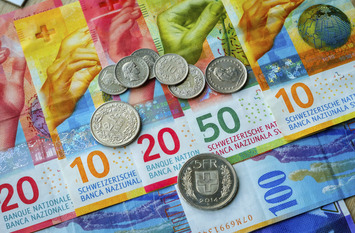
We then turn to two European neighbors navigating politics and their economies outside the EU. First, we offer an in-depth analysis of the Swiss economy, where the strong Swiss Franc has played a pivotal role in keeping inflation at bay, even as the rest of Europe faced record highs. However, the strength of the franc is a double-edged sword, as it also puts pressure on Switzerland's export sector. Our article explores the factors behind this economic dynamic and what it means for the future. Finally, we recap the recent Labour election victory in the UK, marking a significant shift away from the populism that has dominated its politics in recent years. With a moderate, pro-European government now in power, there is renewed hope for closer ties with the EU. Yet, the political landscape remains volatile, with challenges ahead in re-establishing a strong relationship with Europe.
We hope these articles provide you with valuable insights into these complex and evolving issues.
With warm wishes,
Malte Zabel
Co-Director
Europe’s Future Program