Dear Readers,
Last week, the EU finally adopted its 21st sanctions package against Russia—but securing agreement exposed how difficult common European action has become. Greece withheld its approval until it secured an exemption allowing Russian LNG to continue being shipped to non-EU clients, protecting interests in its maritime sector. The compromise preserved unity, but it also exposed a familiar weakness: common European action becomes fragile when its costs fall unevenly and national economic interests take precedence. Europe’s capacity to act depends not only on deciding together, but also on being willing to share the consequences of those decisions.
China's response reinforced that lesson. After the package targeted Chinese firms accused of supporting Russia’s war effort, Beijing imposed export controls on 14 European entities. Geopolitical decisions can quickly reverberate through supply chains, testing whether Europe has reduced critical dependencies before pressure arrives.
This is precisely why technological sovereignty should not be confused with self-sufficiency. In their op-ed, Martin Hullin and Constance de Leusse argue that Europe’s goal should instead be the capacity to act: resilient digital infrastructure, shared investment and trusted partnerships that preserve openness while limiting dangerous dependencies.
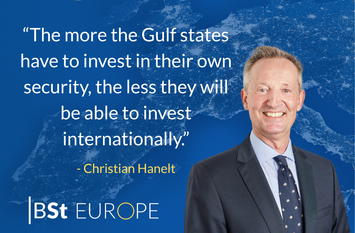
Resilience is equally at stake in the Gulf. In an interview with SWR Aktuell, Christian Hanelt explains how the war between Iran and the United States is forcing Gulf economies to adapt to growing insecurity. Diversifying trade routes and investing in resilience have become central to that effort. For Europe, these shifts are not remote: they directly affect trade, energy supplies, and economic stability.
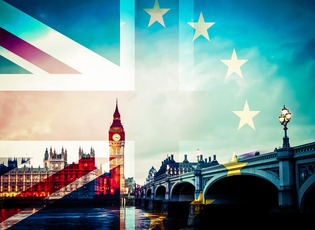
The tension between sovereignty and cooperation also shapes Britain’s choices. As Jake Benford writes in his analysis, Andy Burnham’s premiership demonstrates how little Brexit actually settled. Under mounting economic and geopolitical pressure, Britain must balance growth, sovereignty, and immigration with the growing need for closer cooperation with the EU.
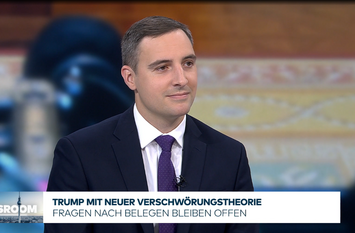
Across the Atlantic, political turbulence shows little sign of subsiding. In an interview with Welt, Brandon Bohrn analyses Donald Trump’s national address, which he argues focused largely on unsubstantiated claims of election manipulation rather than substantive policy. His assessment sheds light on both the administration’s political strategy and the state of U.S. democracy—developments that Europe cannot afford to treat as merely domestic American affairs.
As these contributions show, Europe's resilience will continue to depend on its ability to navigate an increasingly volatile geopolitical landscape.
This is our final edition before the summer break. The newsletter will pause throughout August and return in September. Until then, we wish all our readers a wonderful summer and a restful break.
Best wishes,
Malte Zabel
Director, Europe’s Future Programme