Dear Readers,
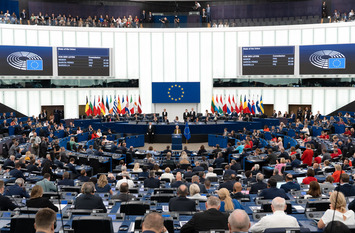
What is a European priority worth if member states will not fund it? That question hangs over Ursula von der Leyen’s State of the European Union address yesterday. Our experts assessed the Commission’s proposals against mounting geopolitical and economic pressures.
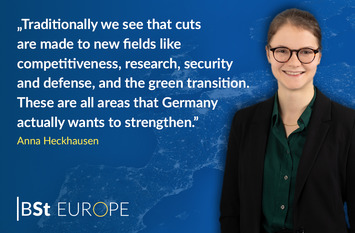
In her Deutschlandfunk interview, Anna Heckhausen examines this tension: Germany and five other net contributors want a smaller EU budget, yet cuts could undermine research, competitiveness, security, and the green transition—and Germany’s own interests.
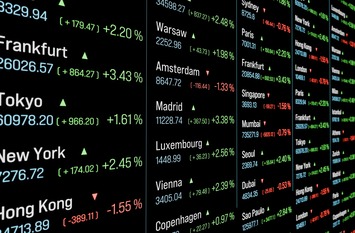
Public money is only part of the equation. In their policy brief “Europe’s Exit Strategy,” Claudia-Dominique Geiser, Marlene Schörner and James Green explain how mobilising savings and deepening capital markets could help more European companies list and scale up at home.
Investment alone, however, will not insulate businesses from geopolitical risk. A survey of European businesses by Cora Jungbluth, Jacob Gunter, Maaike Heijmans and Cordelia Buchanan Ponczek finds that many firms have yet to integrate economic security into their strategies. Respondents call for a stronger Single Market, investment in innovation, and closer cooperation with policymakers.
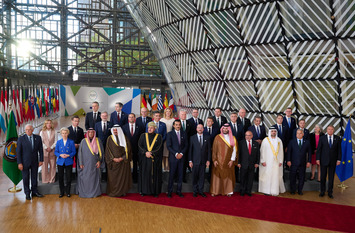
Looking beyond Europe’s borders to the Middle East, Christian Hanelt and David Schäfer argue in an analysis that the EU’s practical engagement need not wait for trust between neighbours. Drawing lessons from the Helsinki process, the EU–Gulf partnership could lay the groundwork for broader regional cooperation on protection, diplomacy, and interconnectivity.
Finally, join us on 28 September for the launch of the EU Budget Navigator, developed by Anna Heckhausen. This interactive tool will help users compare EU institutions’ positions, track negotiations, and explore scenarios for the next long-term budget—bringing greater clarity to the choices behind Europe’s priorities.
Best wishes,
Malte Zabel
Director, Europe’s Future Programme